Bee and Wasp Treatment for Your Home
- Frequent activity around eaves, siding, sheds, or ground openings can point to a nearby nest.
- Disturbing an active nest can trigger defensive stinging and create risk for people and pets.
- Professional identification helps determine the safest treatment for the insect and nesting location.
Seeing a few bees near flowers is normal, but repeated traffic around eaves, wall gaps, decks, play areas, or the ground may signal a nest close to your home. When bee removal or wasp removal is needed, identifying the insect and nest location first helps protect your family, pets, and property.
Bees and Wasps Are Not the Same
Not every stinging insect should be handled in the same way. Bees are important pollinators, while yellow jackets and hornets may strongly protect nests near homes. Our technicians inspect the activity, identify likely nesting areas, and choose a treatment based on the species and location.
Why DIY Nest Removal Is Risky
Spraying, striking, sealing, or approaching an active nest can disturb the colony and increase the chance of stings. Hidden nests in walls, attics, ground openings, and rooflines are especially difficult to reach. Instead of searching for wasp nest removal near me after the problem grows, contact trained professionals when activity becomes consistent.
Safe Treatment and Prevention
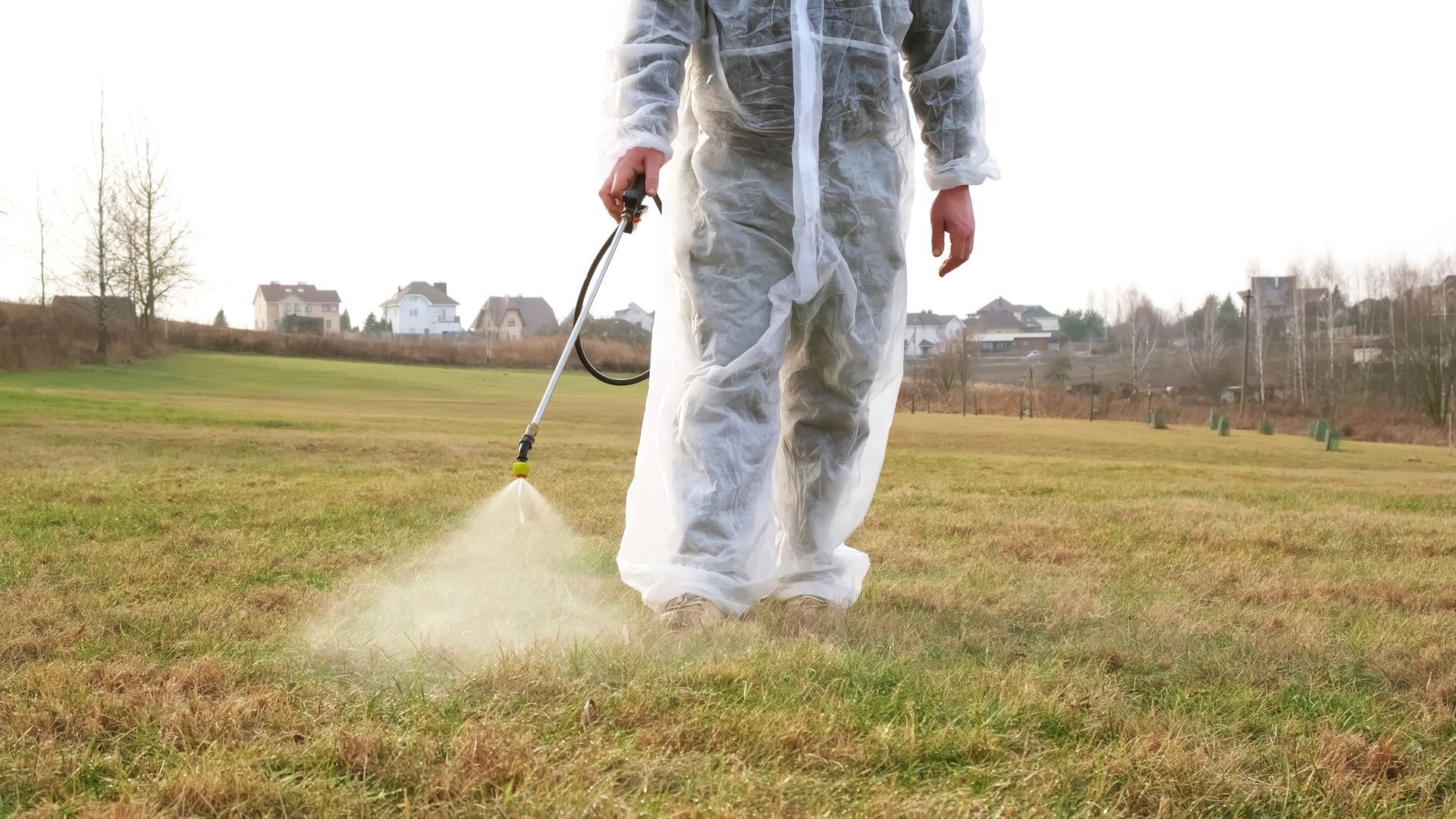
Abair Lavery provides bee control services and wasp treatments for Connecticut homes using careful methods selected for the situation. We focus on effective, eco-friendly options that support a safer home for children and pets. After addressing active nests, our team can recommend prevention steps, including sealing entry points, keeping outdoor waste covered, removing food residue, and watching common nesting areas.
If stinging insects are gathering near doors, patios, play spaces, or other high-traffic areas, contact us to schedule professional treatment.
Image credit:
//
Shutterstock //
Dolores M. Harvey