Termites vs. Carpenter Ants: How to Tell the Difference
- Termites and carpenter ants can both be associated with wood damage, but they behave very differently.
- Body shape, antennae, wings, mud tubes, and frass can help distinguish between the two pests.
- A professional inspection can confirm the pest and determine the appropriate treatment.
Finding damaged wood or winged insects around your Connecticut home can be concerning. When comparing termites vs. carpenter ants, appearance and the evidence they leave behind can provide important clues. Abair Lavery helps homeowners identify pest problems correctly so treatment can address the actual source.
How to Identify Termites and Carpenter Ants
Carpenter ant identification often starts with body shape. Carpenter ants typically have a narrow waist and bent antennae. Termites tend to have a broader, straighter body with straight antennae. Winged carpenter ants also have larger front wings, while termite wings are generally similar in size.
Comparing the Damage They Leave Behind
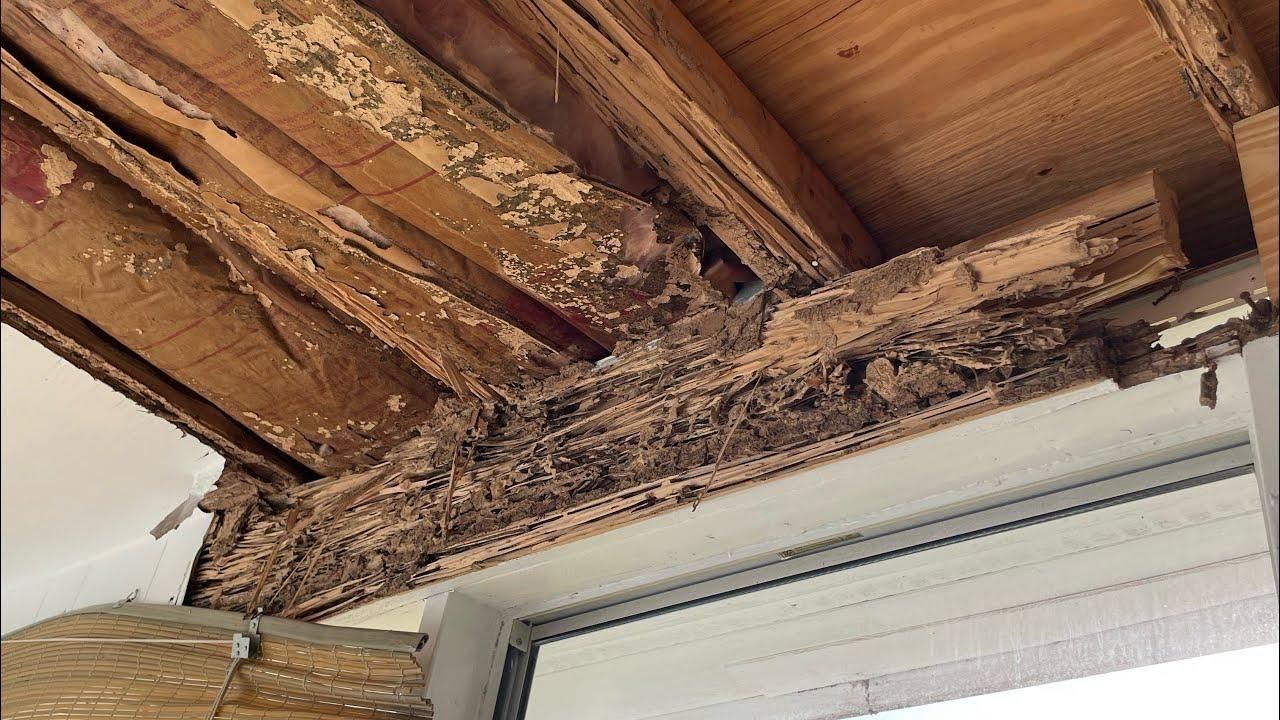
The biggest difference is what each pest does to wood. Termites eat wood, making hollow or weakened areas a common sign of termite damage. Subterranean termites may also build mud tubes along foundations or other surfaces to travel between their colony and a food source.
Carpenter ants do not eat wood. Instead, they excavate galleries for nesting and may leave behind small piles of sawdust-like material called frass.
Why a Professional Inspection Matters
Treating the wrong pest can allow damage to continue. A professional termite inspection that Connecticut homeowners can rely on can identify the cause and pinpoint areas that may need treatment.
If you notice damaged wood, unusual insect activity, mud tubes, or frass, contact us to request an inspection.
Image credit: Juliawhite | Shutterstock